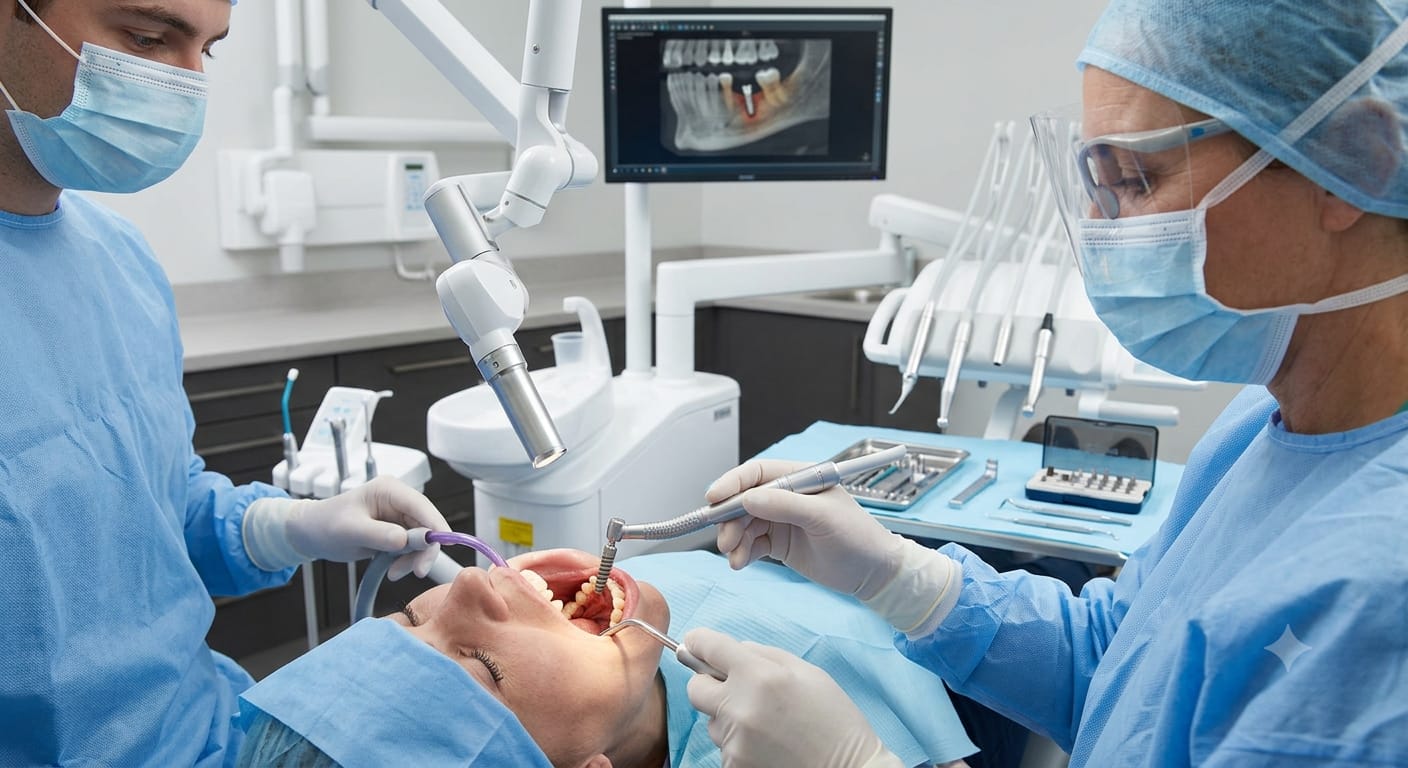
Losing a natural tooth can affect more than the appearance of your smile. It may also make chewing more difficult and can influence the way your remaining teeth function. A tooth dental implant is one option that may be considered for replacing a missing tooth and restoring oral function.
For patients considering tooth replacement, understanding the treatment process, benefits, and factors involved can make it easier to have an informed conversation with a dental professional. Dentapex provides comprehensive dental services at clinics in Padstow, Stanhope Gardens, and Dee Why.
What Is a Tooth Dental Implant?
A tooth dental implant is a tooth replacement solution designed to replace the root portion of a missing tooth. It typically consists of an implant fixture, an abutment, and a dental crown.
How Does an Implant Work?
The implant fixture is placed into the jawbone, where it can integrate with the surrounding bone. Once the appropriate healing process has taken place, the implant can support a customised dental restoration.
Replacing the Missing Tooth
The visible crown is designed to resemble a natural tooth in appearance and function. The goal is to provide a stable replacement that allows patients to eat and smile with greater confidence.
When Might a Dental Implant Be Considered?
Dental implants may be considered for people who have lost one or more teeth due to decay, injury, gum disease, or other dental conditions.
Common Reasons for Tooth Replacement
Replacing a missing tooth may help address concerns such as:
- Difficulty chewing
- Gaps in the smile
- Changes in bite
- Reduced confidence when smiling
- Movement of neighbouring teeth
A dental assessment is necessary to determine whether an implant is suitable for your individual circumstances.
Understanding Dental Implant Surgery
Dental implant surgery involves placing the implant fixture into the jawbone. The procedure is planned carefully based on the patient’s dental and medical history, bone structure, and overall oral health.
The Initial Consultation
Before treatment, your dentist will assess your teeth, gums, jawbone, and overall oral health. Imaging may also be used to evaluate the proposed implant site.
Developing a Treatment Plan
Your dentist can explain the different stages of treatment, expected healing periods, restoration options, and factors that may influence the overall treatment process.
Implant Placement
During the surgical stage, the implant fixture is positioned in the jawbone. The area then requires time to heal and allow the implant to integrate with the surrounding bone.
Adding the Restoration
Once the implant has adequately healed, an abutment and dental crown may be placed. The final restoration is designed to provide a natural-looking replacement for the missing tooth.
What Are the Potential Benefits of Dental Implants?
A dental implant can offer several potential advantages when appropriately planned and maintained.
Natural-Looking Appearance
The dental crown can be designed to complement the colour, shape, and appearance of surrounding teeth.
Support for Chewing
Replacing a missing tooth can help restore chewing function and make everyday eating more comfortable.
Stable Tooth Replacement
Unlike removable dentures, an implant-supported crown is fixed in place once the treatment has been completed.
Supporting Oral Function
Replacing a missing tooth may help maintain a more complete dental arch and support normal oral function.
Is Everyone Suitable for Dental Implants?
Dental implants are not automatically suitable for every patient. Your dentist needs to assess factors such as jawbone condition, gum health, oral hygiene, and overall dental health.
Bone and Gum Health
Adequate bone support is important for implant placement. Certain patients may require additional procedures before an implant can be considered.
Managing Existing Dental Problems
Active gum disease, untreated decay, or other oral health concerns may need to be addressed before proceeding with implant treatment.
Caring for Your Dental Implant
Good long-term care is important after implant treatment. Brush your teeth regularly, clean between your teeth, and attend recommended dental appointments.
Regular Dental Reviews
Routine examinations allow your dental team to monitor the implant, surrounding gums, and restoration.
Maintain Good Oral Hygiene
Although an implant cannot develop tooth decay in the same way as a natural tooth, the surrounding gums and tissues still require careful attention.
Choose Dentapex for Your Dental Care
If you are considering a tooth dental implant, professional assessment is an important first step. Dentapex provides general, cosmetic, restorative, and emergency dental services across Sydney.
With clinics in Padstow, Stanhope Gardens, and Dee Why, Dentapex can help patients understand their dental treatment options and develop care plans suited to their individual needs.
FAQs
What is a tooth dental implant?
A tooth dental implant is a tooth replacement solution consisting of an implant fixture, abutment, and dental restoration such as a crown.
How long does dental implant surgery take?
The surgical procedure itself can vary depending on the number of implants and the complexity of the case. Your dentist can provide a more specific estimate after assessment.
Is dental implant surgery painful?
Dental implant surgery is performed using appropriate local anaesthesia or other options where clinically suitable. Some discomfort or swelling may occur during recovery.
How long does a dental implant take to heal?
Healing times vary between individuals and depend on factors such as bone health, implant location, and the complexity of treatment. Your dentist will provide personalised guidance.
How do I care for a dental implant?
Continue brushing and cleaning between your teeth, follow your dentist’s instructions, and attend regular dental check-ups to help maintain the implant and surrounding tissues.